

Content
Forty-eight teams. Twelve groups. One hundred and four matches. And somewhere in that sprawling tournament, the Socceroos will be scrapping for every point while the rest of us sit in pubs, living rooms and offices across Australia pretending to work while watching football at ungodly hours. I have spent the past three months compiling dossiers on every squad heading to North America, and what strikes me most is not the gap between the elite and the rest — it is how thin that gap has become.
This expanded World Cup format invites quality from every confederation. The 48 teams at the 2026 World Cup include four nations making their tournament debuts — Cabo Verde, Curaçao, Jordan and Uzbekistan — alongside the traditional powerhouses chasing their third or fourth star. For Australian punters, understanding this field is not academic exercise; it is the foundation of every betting decision you will make from June to July.
I have organised this breakdown to serve your punting needs specifically. We start with the favourites whose short odds dominate the outright market, move through the dark horses where genuine value often hides, give the Socceroos the detailed treatment they deserve, analyse our Group D rivals with whom Australia’s fate intertwines, and wrap with a complete tier ranking designed to help you sort the field at a glance. By the end, you will know every team worth watching — and more importantly, every team worth backing.
The Favourites: Contenders for the Trophy
In my nine years of World Cup analysis, I have learned one consistent truth: the betting favourite almost never lifts the trophy. Since 1998, only France in 2018 won as the shortest-priced pre-tournament selection. Yet the favourites merit your attention precisely because understanding their true probability helps you find value elsewhere. When Argentina is priced at 4.50, you need to know whether that reflects genuine 22% championship probability or public sentiment inflating a popular choice.
Argentina
The defending champions arrive in North America with the weight of history and an ageing squad that might not handle it. Lionel Messi will be 38 by tournament time, and while his genius remains undiminished, his legs have become mortal. Argentina cruised through CONMEBOL qualification with characteristic grit — they do not always dominate, but they find ways to win that feel inevitable rather than fortunate.
Lionel Scaloni has built a squad around Messi but not dependent on him. Julián Álvarez provides genuine goal threat. Enzo Fernández controls midfield with authority beyond his years. The defensive partnership has proven reliable across multiple tournaments. Where Argentina excel is tournament mentality — they know how to peak at the right moments, manage game states, and grind through knockout rounds without burning themselves out.
For punters, the question is value. At 4.50, Argentina offers less than 5/1 on a seven-match journey through a field containing multiple teams capable of beating them on any given day. France eliminated them in 2018. Germany crushed them in 2014. Even if you rate Argentina as the best team in the draw, “best team” and “most likely winner” diverge in knockout football. I see their true probability around 18-20%, making current odds fair rather than value.
France
Les Bleus possess the deepest squad in international football. Kylian Mbappé leads an attack that could include multiple world-class options in every position. Antoine Griezmann, though ageing, remains a tournament specialist. The emergence of French talents from Ligue 1 and across European football means Didier Deschamps could field two entirely different XI’s and remain competitive against anyone.
France’s challenge is internal harmony. The squad features enormous egos and historical tensions that occasionally erupt into public disputes. Their Euro 2024 campaign showed glimpses of both their ceiling and floor — dominant when flowing, frustrating when the machine stutters. World Cup history favours them: two titles, three finals in the modern era, and a manager who has seen it all.
At approximately 5.00, France represents similar probability calculations to Argentina. The depth advantage means they handle injuries better than almost anyone — a genuine edge in a 39-day tournament. I rate their true probability around 17-19%, again making current odds approximately fair. France backers are not getting ripped off, but they are not finding hidden value either.
England
The Three Lions enter 2026 after another near-miss, extending a run of close finishes without silverware that dates back to 1966. Yet the squad Gareth Southgate (or his successor) takes to North America contains more genuine world-class talent than any England generation I have seen. Jude Bellingham has emerged as a generational midfielder. Phil Foden, Bukayo Saka and Cole Palmer provide attacking options that other nations envy.
England’s problem is psychological rather than technical. They consistently underperform expected goals in knockout matches, create chances they do not convert, and seem to tighten at crucial moments. Whether this represents poor luck, poor finishing, or genuine mental fragility depends on your analytical framework. From a betting perspective, it means England’s odds — typically around 7.00 — may actually overstate their probability of going all the way.
Group L pairs them with Croatia, Ghana and Panama. England will qualify comfortably but must avoid Croatia in the Round of 32 if both finish where expected. Their path through the bracket matters enormously — a favourable draw could see them reach the semi-finals without facing another genuine contender. I rate England’s true probability around 12-14%, making 7.00 roughly fair but potentially value if the bracket falls kindly.
Brazil
The Seleção enter their first World Cup since 2006 without any version of Neymar carrying offensive expectations. The post-Neymar era features Vinícius Júnior as the focal point, supported by Rodrygo, Endrick and a generation of attackers whose ceiling remains unknown. Brazil dominated CONMEBOL qualification inconsistently — moments of brilliance interspersed with confusing struggles against lesser opponents.
Five World Cup titles create expectations that suffocate as much as inspire. Brazilian managers face enormous pressure to play attacking football regardless of tactical pragmatism. The squad has undeniable quality — probably top-three on pure talent — but lacks the tournament-hardened experience that Argentina and France possess. Their last knockout win against a genuine contender came in 2002.
At approximately 6.00-7.00 depending on the book, Brazil presents an interesting proposition. The public still views them as perennial favourites, which inflates their odds relative to recent performances. Group C with Morocco, Scotland and Haiti should not trouble them, but Morocco demonstrated in Qatar 2022 that African sides can compete with anyone. I rate Brazil’s true probability around 12-15%, suggesting current odds offer marginal value if you believe their attacking talent will peak at the right moment.
Spain
La Roja arrive as Euro 2024 champions with a squad whose average age might be the youngest among contenders. Lamine Yamal is still a teenager. Pedri and Gavi (if fit) anchor a midfield that plays with the kind of technical superiority that makes opponents look clumsy. Spain’s style remains possession-based but has added a directness under Luis de la Fuente that previous iterations lacked.
The youth factor cuts both ways. Fresh legs and fearless minds create upset potential against more experienced opponents. But World Cup knockouts feature a brutality that European Championships do not quite match — the global stakes, the hostile crowds, the desperation of teams who know they might wait four years for another chance. Whether Spain’s youngsters handle that pressure remains the tournament’s most intriguing question.
Group H with Saudi Arabia, Cabo Verde and Uruguay should see Spain top their group, though Uruguay will make them work. At 8.00-9.00, Spain represents genuine value for punters who believe youth and technical quality can overcome experience deficits. I rate their true probability around 10-13%, meaning current odds offer an edge for believers in the Spanish project.
Dark Horses Worth a Punt
The value in outright World Cup betting almost always sits in this tier — teams priced between 12.00 and 30.00 who possess genuine pathways to the semi-finals or beyond without needing multiple miracles. I call them dark horses not because they lack quality but because casual punters overlook them when stacking multis with Argentina, France and Brazil selections.
Germany
Die Mannschaft hosted Euro 2024 with a squad many had written off after consecutive World Cup group stage exits in 2018 and 2022. What emerged was a team that rediscovered its identity — technically proficient, tactically disciplined, and featuring Florian Wirtz and Jamal Musiala, perhaps the two most exciting young attackers outside France’s golden generation.
Germany traditionally peak at World Cups when written off. They won in 2014 after a decade of underperformance. They reached the 2002 final having qualified through a playoff. Julian Nagelsmann has transformed the squad’s energy and playing style, integrating veterans like Thomas Müller and Joshua Kimmich with the explosive youth. Group E with Côte d’Ivoire, Ecuador and Curaçao should not trouble them.
At 10.00-12.00, Germany offers genuine value. Four World Cup titles demonstrate tournament pedigree. The squad’s balance between experience and youth addresses previous weaknesses. I rate their true probability around 9-11%, making current odds marginally undervalued for contrarian punters.
Portugal
The post-Cristiano era has quietly begun, though the man himself may still feature at age 41. More importantly, Portugal’s squad features an embarrassment of attacking riches: Rafael Leão, João Félix, Bruno Fernandes and emerging talents who struggle to break into the starting XI. This is the deepest Portuguese generation ever assembled.
Roberto Martínez has brought tactical structure that sometimes felt absent under previous coaches. Group K with Uzbekistan, DR Congo and Colombia offers a manageable path to the knockouts, though Colombia should not be underestimated. Portugal’s issue has always been knockout composure — their only major trophy required penalties and defensive grind rather than the attacking flow their talent suggests.
At 12.00-15.00, Portugal represents dark horse value. The squad’s ceiling is semi-final or beyond. Their floor is Round of 32 exit against a physical, motivated opponent who neutralises their technical advantage. I rate Portugal’s true probability around 7-9%, making current odds fair to slightly undervalued.
Netherlands
Dutch football has cycled through rebuilding and renaissance multiple times since their 2010 World Cup final appearance. The current squad under Ronald Koeman features Virgil van Dijk’s defensive authority, Frenkie de Jong’s midfield artistry (when fit), and Cody Gakpo’s emergence as a genuine tournament performer. They reached Qatar 2022’s quarter-finals before falling to Argentina on penalties.
Group F pairs them with Japan, Sweden and Tunisia — a genuinely competitive draw where any slip could prove costly. Japan eliminated Germany and Spain in Qatar 2022’s group stage, demonstrating they cannot be taken lightly. The Netherlands’ path through this group matters for their knockout bracket position and subsequent match-ups.
At 15.00-18.00, the Netherlands offer value if you believe their system can match their talent. They play structured, physically imposing football that travels well to North American conditions. I rate their true probability around 6-8%, suggesting current odds offer marginal value for those who like their chances in Group F.
Belgium
The golden generation has tarnished somewhat — Kevin De Bruyne, Romelu Lukaku and Thibaut Courtois remain, but the supporting cast has aged or departed. Yet Belgium still possesses individual quality that most nations would envy. De Bruyne in particular remains a tournament-altering talent whose performances can single-handedly carry teams through knockout rounds.
Group G with Iran (participation uncertain), New Zealand and Egypt should not trouble Belgium, though Egypt’s African Cup credentials and New Zealand’s physical style can disrupt technically superior opponents. Belgium’s challenge is peaking one more time with a core that knows this represents their final realistic championship window.
At 20.00-25.00, Belgium presents speculative value for punters who believe De Bruyne can produce one more magic tournament. I rate their true probability around 4-6%, meaning current odds are roughly fair — not screaming value, but not a sucker bet either.
The Socceroos: Where Australia Stands Among the 48
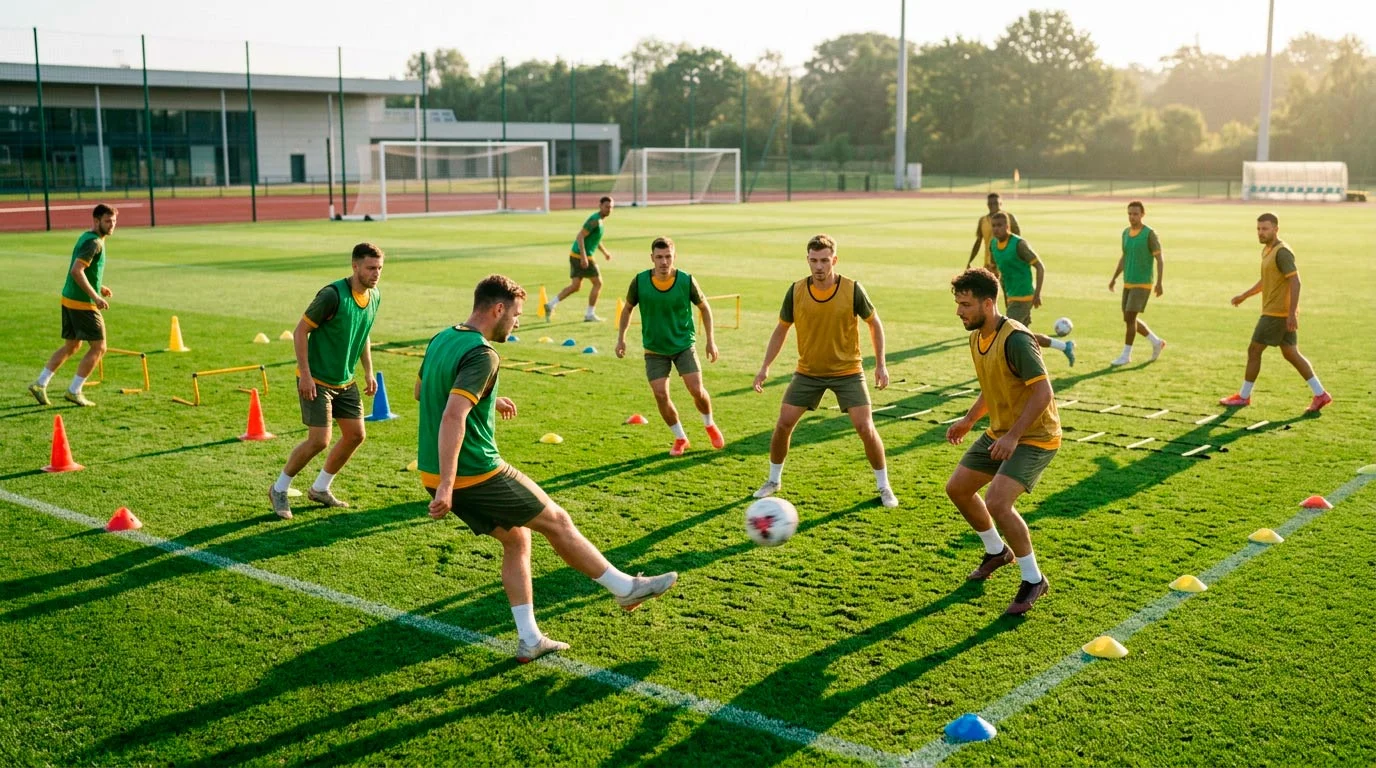
I remember watching the Socceroos qualify for Germany 2006 through a penalty shootout against Uruguay, standing in a packed pub at some ungodly hour with tears streaming down faces that had waited 32 years for this moment. Twenty years later, Australia has become a regular World Cup presence — five consecutive tournaments, a Round of 16 appearance in Qatar 2022, and genuine hope that this generation can go further still.
Tony Popovich took the reins with a clear mandate: build a system that maximises Australia’s strengths while minimising exposure to technical deficits. His 3-4-3 formation addresses both objectives. Three central defenders provide coverage against counters. Wing-backs create width without sacrificing midfield compactness. A front three with clear movement patterns generates chances through coordination rather than individual brilliance.
The AFC qualification campaign demonstrated both Popovich’s system working and its limitations. Australia overperformed expected goals by approximately 10 units — converting chances at rates that suggest either clinical finishing or variance that will eventually regress. The defensive record was strong but faced opponents whose quality rarely matched Group D’s challenges. Japan remains the AFC benchmark, and Australia’s record against the Samurai Blue offers cautionary data.
Key players for 2026 include the established Premier League and European contingent alongside emerging domestic talents. The spine of the team features experience, but depth remains Australia’s challenge. If injuries strike central positions, the drop-off becomes concerning. Popovich cannot rotate like Argentina or France — he needs his best XI available for Group D’s gauntlet.
The World Cup draw placed Australia in Group D alongside hosts USA, Paraguay making their first appearance since 2010, and Türkiye returning after 24 years. On paper, this is a balanced group without overwhelming favourites. USA’s home advantage creates clear expectations — they should top the group. The battle for second place and qualification pits Australia against two opponents with different strengths and weaknesses.
From a betting perspective, the Socceroos present several markets worth consideration. Outright odds around 150.00-200.00 are lottery tickets rather than value plays. Group qualification odds around 2.50-3.00 reflect genuine 33-40% probability, which feels about right given the competition. Match markets for each Group D fixture offer the clearest opportunities for Australian punters who can assess the specific matchups.
I will be covering the Socceroos’ tournament journey in exhaustive detail elsewhere on PuntCast 26. For now, understand that Australia enters as genuine Round of 32 contenders with an outside chance of going further if the bracket falls favourably. That is not hype — it is realistic assessment of a team punching appropriately for its weight.
Group D Rivals: USA, Paraguay and Türkiye Under the Microscope
The Socceroos’ fate rests on how they handle three specific opponents across three matches spanning 12 days. Each rival presents distinct challenges that require different tactical approaches and create different betting dynamics. Understanding these teams is not just academic interest — it directly informs your wagering on Australia’s matches.
The United States enters as tournament co-hosts with all the advantages that entails. Home crowds, familiar conditions, no travel fatigue, and the psychological boost of 70,000 fans willing them forward. The USMNT features its most talented generation ever — Christian Pulisic, Weston McKennie, Giovanni Reyna and a supporting cast that would strengthen most European national teams.
What the USA lacks is knockout tournament pedigree at the senior level. They have not won a World Cup knockout match since 2002. The pressure of hosting creates expectations that could inspire or paralyze depending on how early matches unfold. If Mexico struggles in their opener, if Canada drops points — suddenly the American public expects perfection, and that weight has broken better teams.
USA versus Australia on 19 June at Seattle’s Lumen Field represents the Socceroos’ toughest assignment. The Americans will have played Paraguay first, meaning their form and confidence (or concern) will be visible before Australia kicks off against Türkiye. This sequencing creates information asymmetry that sharp punters can exploit — by the time the USA-Australia market settles, you will have seen both teams play once.
Paraguay return to the World Cup after 16 years in the wilderness. The generation that reached consecutive Copa América finals and the 2010 World Cup quarter-finals has long since retired. This squad is relatively untested at the highest level, which creates both uncertainty and potential value. South American qualifying is brutal — Paraguay earned their place against genuine competition, suggesting quality that European-focused punters might underrate.
Paraguay’s style traditionally emphasises defensive organisation and counter-attacking football. They do not dominate possession or create overwhelming xG totals, but they find goals when needed and make opponents work for every chance. Against Australia, this could produce a tight, tactical affair where set pieces and individual moments decide outcomes — exactly the kind of match where over/under markets become interesting.
Türkiye’s return after 24 years comes with a squad that qualified through UEFA playoffs, demonstrating they can handle pressure situations. The Turkish Super Lig has produced quality exports to Europe’s top leagues, and the national team features a blend of domestic stalwarts and European-based talents. What they lack is recent World Cup experience — most of this squad has never played on football’s biggest stage.
Australia faces Türkiye in the tournament opener at Vancouver’s BC Place on 13 June. First matches carry amplified importance under the new format — an early win creates cushion for subsequent fixtures, while an early loss creates must-win pressure. For punters, this opener represents the Socceroos’ highest-value betting opportunity in the group. Türkiye’s rustiness at this level could manifest in nervous early play, slow starts, or the kind of tactical rigidity that Popovich’s system can exploit.
The Debutants: Cabo Verde, Curaçao, Jordan and Uzbekistan
Every World Cup expansion introduces nations experiencing the tournament for the first time. The 48-team format brings four debutants to North America in 2026, each representing a remarkable qualification achievement that will resonate far beyond their likely tournament results. For punters, these teams present specific betting considerations that differ from established participants.
Cabo Verde qualified through the African pathway, defeating established nations to reach their first World Cup. This island nation of roughly 600,000 people — smaller than Tasmania — produced a squad capable of competing in CAF’s brutal qualification rounds. They land in Group H with Spain, Saudi Arabia and Uruguay, a draw that offers little mercy. Realistic expectations suggest three defeats, but the experience will transform Cabo Verdean football regardless of results.
From a betting perspective, Cabo Verde represent fade candidates in most markets. Their opponents are too strong for upset alerts, and the goal difference could become brutal. However, over/under markets might offer value — Spain and Uruguay could run up cricket scores against defensive organisation that has never faced this quality. If Cabo Verde’s system collapses psychologically, totals could exceed what historical data suggests.
Curaçao’s presence marks another Caribbean milestone. This Dutch territory qualified through CONCACAF, overcoming regional rivals who have historically dominated the federation’s World Cup berths. Group E pairs them with Germany, Côte d’Ivoire and Ecuador — again, no easy path, but Curaçao’s matches against Ecuador offer potential competitiveness that betting markets might undervalue.
Jordan’s qualification through AFC represents a genuine underdog story. They reached the 2024 Asian Cup final against Qatar and have built a squad capable of competing with established Asian powers. Group J with Argentina, Algeria and Austria presents mixed challenges. Argentina will likely dismiss them, but matches against Algeria and Austria offer genuine competitiveness where Jordan’s organised, physical style could create problems.
Uzbekistan qualified as AFC’s surprise package, defeating traditional powers to secure their debut. Group K with Portugal, DR Congo and Colombia is challenging but not overwhelming. Uzbekistan play structured, technically competent football that can frustrate superior opponents. Their match against DR Congo, particularly, could be closer than casual observers expect.
For punters, debutants generally underperform expectations in their first World Cup. The occasion overwhelms players who have never experienced stadiums of 70,000, global television audiences, and pressure that domestic football cannot replicate. This creates systematic edges — fading debutants in early matches while watching for potential value as tournament progresses and nerves settle.
PuntCast 26 Tier Ranking: All 48 Teams for Aussie Punters
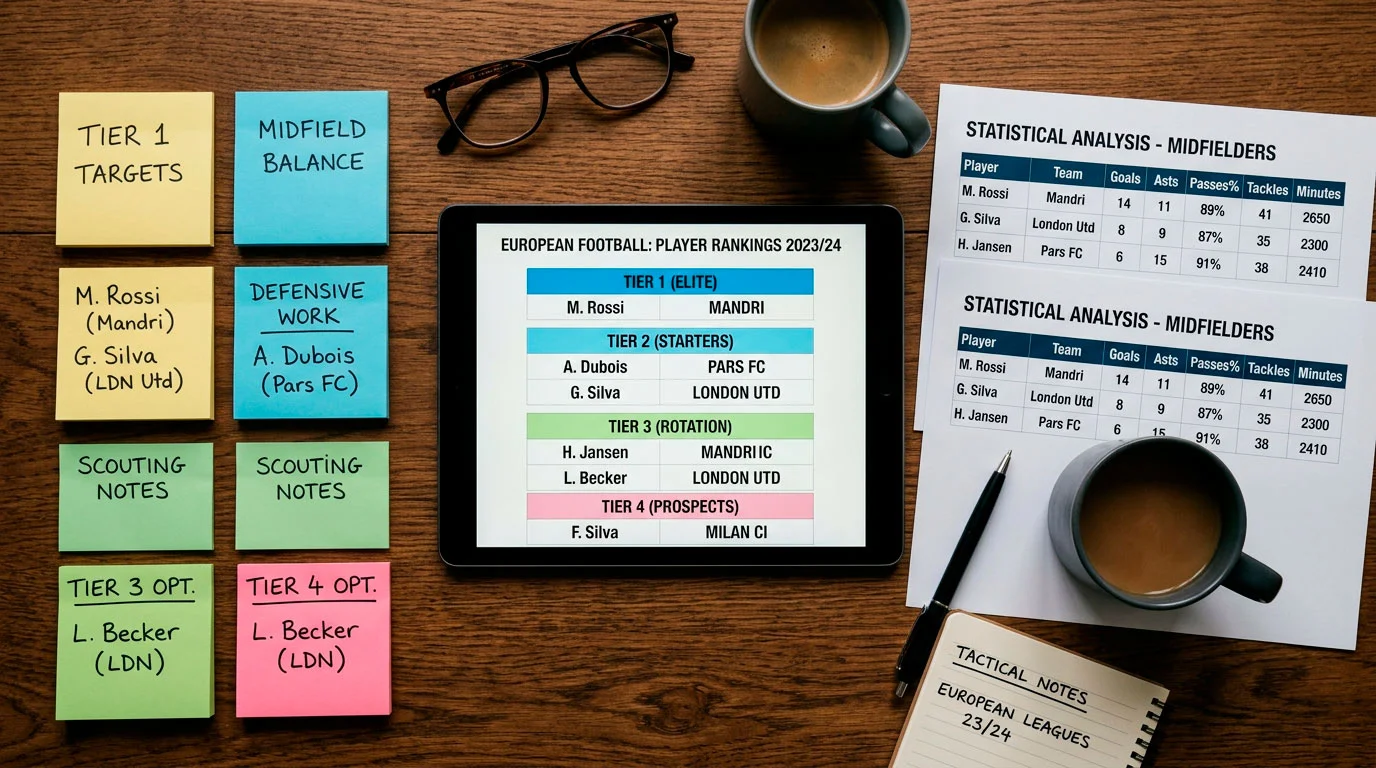
When you are staring at a coupon with 104 matches to consider, you need a mental framework for sorting the field quickly. This tier ranking reflects my assessment of each team’s realistic championship probability, Round of 16 likelihood, and value relative to current market odds. It is opinionated by design — you are paying for perspective, not fence-sitting.
Tier 1 contains the genuine trophy contenders priced under 10.00 in outright markets. Argentina leads this tier with defending champion credentials and a squad that handles tournament pressure better than anyone. France follows with squad depth that no other nation can match. England, Brazil and Spain complete Tier 1 — all possess realistic paths to the final with squads capable of beating anyone on their day.
Tier 2 comprises dark horses between 10.00 and 25.00 who could reach the semi-finals without requiring miracle runs. Germany headlines this tier with their Euro 2024 resurgence and tournament pedigree. Portugal and Netherlands offer similar profiles — talented squads with knockout experience and favourable draws. Belgium sits at the tier’s edge, ageing but still capable. These are value hunting grounds for punters who want exposure to potential winners at longer odds.
Tier 3 holds the competitive middle band — teams unlikely to win the tournament but capable of knockout stage runs and individual match upsets. USA belong here despite home advantage; their inexperience at this level caps realistic expectations. Croatia, Denmark, Switzerland, Japan and Morocco occupy similar positions. Uruguay at 30.00-40.00 might be undervalued given their pedigree. Senegal, Serbia and Türkiye complete this tier. The Socceroos sit at Tier 3’s lower boundary — competitive in their group but unlikely to progress beyond the Round of 32.
Tier 4 contains teams expected to compete in the group stage but unlikely to qualify for knockouts or cause major upsets. This includes nations like Sweden, Scotland, Ecuador, South Korea, Iran (if they participate), Egypt, Paraguay, Austria and Algeria. These teams can win individual matches against Tier 3 opponents but lack the consistency for knockout runs. Betting interest here focuses on specific match markets rather than tournament progression.
Tier 5 holds the make-up-the-numbers contingent — teams whose qualification represents achievement but whose tournament expectations should be modest. The four debutants sit here, alongside nations like Panama, Ghana, New Zealand, Iraq, Tunisia, Côte d’Ivoire, Saudi Arabia, Bosnia and Herzegovina, Czechia and Qatar. Some will produce memorable moments; none will progress deep into knockouts. These teams serve punting purposes primarily as opponents — when facing Tier 5 teams, heavy favourites become bankable selections.
Haiti and DR Congo represent Tier 5’s lower boundary. Their presence in North America celebrates qualification achievement rather than realistic tournament impact. Both face brutal groups that will likely produce three defeats and substantial negative goal differences. From a betting perspective, they are fade candidates across all markets.
Use this tier system as a starting filter when building multis or assessing value. When a Tier 2 team faces a Tier 4 team, the expected outcome is clear but the odds may not reflect the probability gap accurately. When two Tier 3 teams meet, genuine uncertainty exists and markets often offer value on either side. When Tier 1 faces anyone below Tier 2, the only question is margin of victory rather than result.
Which Teams Should Aussie Punters Be Watching?
After profiling 48 teams, my recommendations for Australian punters focus on specific value opportunities rather than blanket advice. The favourites are fairly priced — if you want Argentina or France exposure, you are not getting ripped off, but you are not finding edge either. The genuine value sits in Tier 2 and the upper reaches of Tier 3, where market inefficiency creates opportunity.
Germany at 10.00-12.00 represents my strongest dark horse conviction. Their Euro 2024 performance demonstrated system revival under Nagelsmann. The squad balances experience and youth. Their group is navigable, and the bracket could favour them depending on how other groups resolve. Four World Cup titles mean they know how to win when it matters.
Spain at 8.00-9.00 offers similar value from a different profile. Youth, technical excellence, and Euro 2024 championship form combine with a manageable group draw. The knock on Spain is knockout composure, but their young players might not carry the psychological baggage of previous generations’ near-misses.
For the Socceroos specifically, my focus is group qualification markets rather than outright. At 2.50-3.00 to reach the Round of 32, Australia offers reasonable value if you believe Popovich’s system can extract results from Group D’s competition. The opener against Türkiye is particularly significant — a win there transforms the entire tournament outlook.
Watch the USA across their group stage matches for clues about their genuine level. If they handle Paraguay comfortably and look settled, their match against Australia becomes tougher. If they show nerves or structural issues, opportunity emerges. Tournament betting rewards those who gather information match-by-match rather than locking in positions before kickoff.
Most importantly, know your teams. This guide provides the framework, but you need to supplement it with match-by-match observation as the tournament unfolds. The squad that looked invincible on paper might crumble when Vinícius goes down injured in the second match. The debutant everyone dismissed might produce a tournament-defining upset. Stay flexible, protect your bankroll, and let the football inform your punting rather than the other way around.
