Responsible Punting
Thirty-nine days of football means thirty-nine days of markets. Here’s how to keep it fun....

 Available in US
Every match. Every market. Every edge — built for Australian punters.
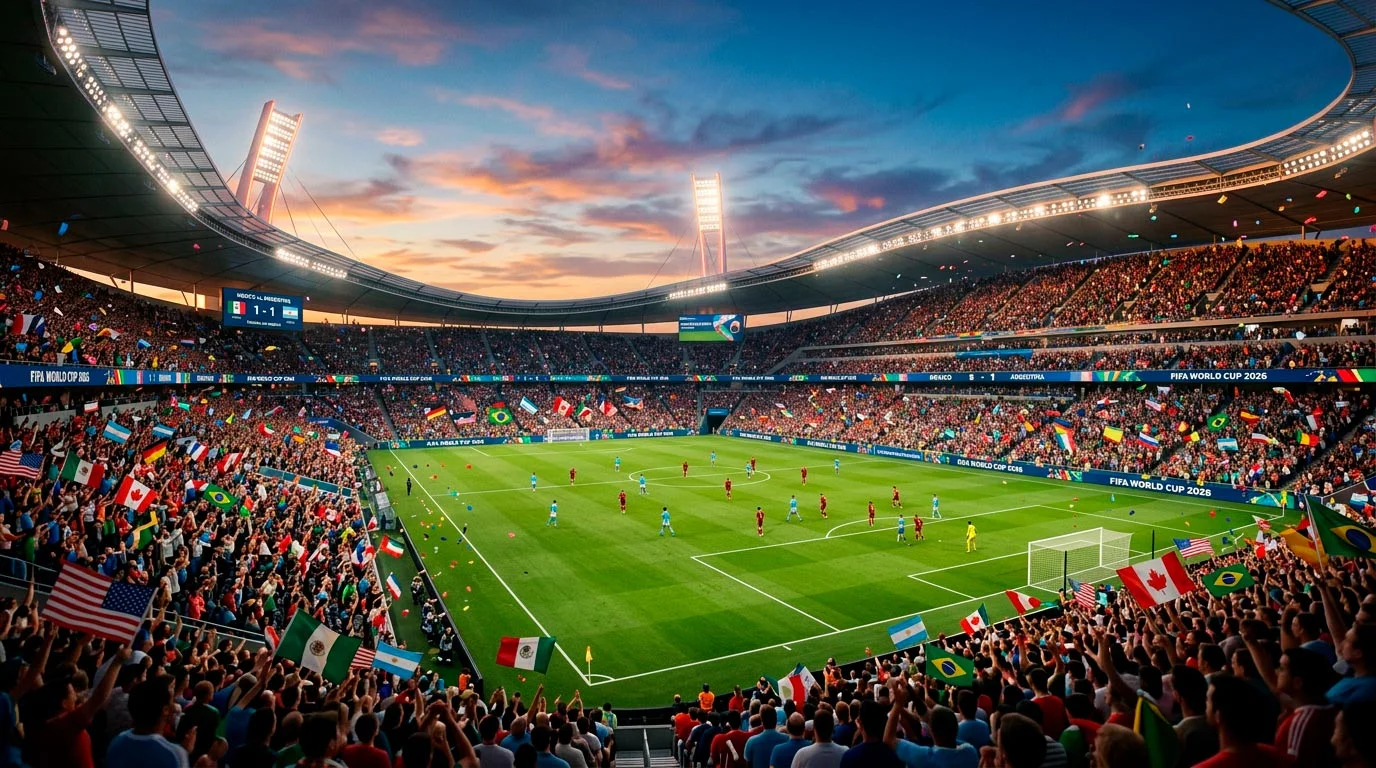
Every first Tuesday in November, the nation stops for a horse race. Every September, office footy tipping comps spark more heated debates than parliamentary question time. We Australians punt — it's woven into our sporting DNA like zinc cream on a cricketer's nose. And now, with the FIFA World Cup 2026 landing across North America from 11 June to 19 July, we're about to channel that energy into the biggest football tournament ever staged.
I've spent nine years analysing football betting markets for major tournaments — Euros, Copa Américas, and the last three World Cups. My focus has always been the same: finding value in outright markets, identifying group stage opportunities before the public catches on, and building multi-bet strategies that actually make mathematical sense. For this tournament, I'm bringing that expertise directly to Australian punters through PuntCast 26.
This hub exists because World Cup betting in Australia comes with its own quirks. We use decimal odds while the Yanks fumble with their +150 moneylines. Our licensed bookmakers operate under the Interactive Gambling Act 2001, which means no in-play betting online — a restriction that shapes how we approach tournament punting entirely. And critically, the Socceroos have drawn Group D alongside the United States, Paraguay, and Türkiye, meaning every pre-match market for those three fixtures carries genuine weight for local punters.
The 48-team format changes everything this time around. Twelve groups of four, with the top two from each group advancing alongside the eight best third-placed teams. That's 32 teams reaching the knockout rounds from 48 starters — a qualification rate of 66.7% compared to 50% in the old 32-team format. From a betting perspective, this compression of the group stage creates new market inefficiencies. Third-place finishes now carry real value, and dead rubbers become rarer. The bookmakers haven't fully adapted their models to this new reality, which means opportunities exist for punters who understand the mathematics.
The Socceroos enter this tournament under Tony Popovich's guidance, running a 3-4-3 system that overperformed expected goals by roughly 10 units during AFC qualifying. That clinical finishing rate suggests a team that converts chances at an elite level — or one riding variance that might regress. Either interpretation shapes how you approach Australian match markets. I'll break down both angles throughout this hub, giving you the data to make your own calls rather than just parroting tipster consensus.
Every piece of content here is built around three principles. First, all times appear in AEST because that's when you'll actually be watching — not some timezone you need to mentally convert at 5am before work. Second, decimal odds throughout, because that's the format Australian bookmakers use and the one that makes calculating returns intuitive. Third, every statistic and claim comes from verifiable sources: FIFA rankings, expected goals models, historical tournament data. I don't traffic in hunches dressed up as analysis.
Whether you're planning a tournament-long outright punt on Argentina to defend their title, building daily multis throughout the group stage, or simply want to understand why backing the Socceroos to finish second in Group D represents genuine value, this hub covers it. The content ranges from beginner-friendly explanations of market types through to deeper statistical analysis for experienced punters who've seen enough World Cups to spot when odds drift for the wrong reasons.
PuntCast 26 delivers World Cup 2026 betting analysis tailored specifically for Australian punters — decimal odds, AEST times, and full compliance with local gambling regulations. No generic content ported from overseas markets; everything here reflects how we actually punt in this country.
The tournament kicks off on 11 June when Mexico face South Africa at Estadio Azteca — that's 4:00am AEST on 12 June for us, a Thursday morning start for a tournament that runs 39 days. The Socceroos' opening match against Türkiye at Vancouver's BC Place lands on Saturday 13 June at a civilised 2:00pm AEST — genuine prime-time viewing if you're planning a pub session or home setup. I'll have match previews, odds analysis, and multi suggestions ready well before each of those kicks.
Navigate through the sections below to find what you need. The Socceroos deep dive covers squad analysis, Popovich's tactical approach, and realistic expectations for Group D. The full betting guide explains every market type available for the tournament. And the odds section tracks outright movements across licensed Australian bookmakers so you can spot value shifts in real time.
With the basics established, let's focus on what matters most for local punters — where Australia stands in this tournament and what that means for your betting approach.
Thirty-nine days of football means thirty-nine days of markets. Here’s how to keep it fun....

Not sure where to start? Here’s your cheat...

The group stage is where tournaments are won...
I spent three hours yesterday mapping out every...

Every industry has its jargon, and football betting...
The draw fell kindly — or did it? When FIFA announced Group D back in December, Australian punters immediately fixated on the United States sitting as hosts with home crowd advantage. But look closer at the group composition and a different picture emerges. Paraguay haven't appeared at a World Cup since 2010, returning after 16 years in the wilderness. Türkiye's absence stretches even longer — 24 years since their semi-final run in 2002. The Socceroos, by contrast, have contested every World Cup since 2006 and carry recent knockout-round experience from Qatar 2022 under Graham Arnold.
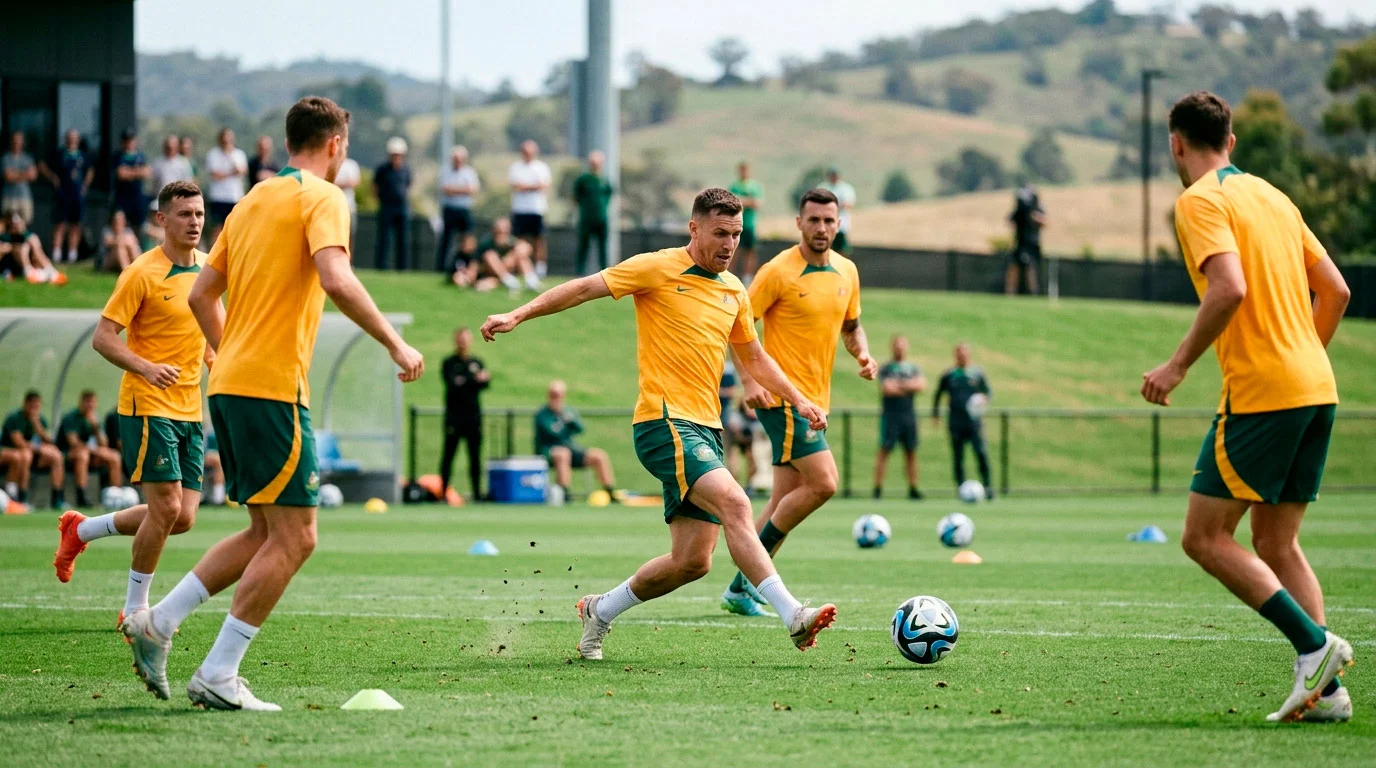
Tournament experience matters in group stages where nerves affect performance. Paraguay and Türkiye both qualified through tense playoffs, while Australia navigated the AFC pathway with clinical efficiency. Tony Popovich's squad generated an expected goals total of approximately 18.2 across qualifying but converted 28 actual goals — a massive overperformance that suggests either exceptional finishing quality or variance that could regress. From a betting perspective, this creates a fascinating question: are we backing a squad that has genuinely improved their attacking output, or riding a statistical anomaly?
The tactical setup provides some answers. Popovich has implemented a 3-4-3 formation that commits numbers forward and relies on wing-backs to provide width. This system naturally generates more scoring opportunities than Arnold's more conservative approach, but it also concedes space on transitions. Against USA's pace on the counter or Türkiye's technical midfielders, that trade-off could prove costly. Yet in the qualifying campaign, Australia kept defensive stability while creating chances at will — a combination that makes them genuinely unpredictable for bookmakers to price.
Group D's match schedule works in Australia's favour from a punter's perspective. The opener against Türkiye kicks off at 2:00pm AEST on Saturday 13 June — a perfect viewing time for local audiences. The crucial second match against the United States lands at 5:00am AEST on Friday 20 June, early enough that many will set alarms rather than stay up. The final group fixture against Paraguay starts at 12:00pm AEST on Thursday 26 June, another reasonable hour. Compare this to some groups where Aussie fans would need to watch matches at 3:00am or 4:00am consistently, and Group D's West Coast venue allocation clearly benefits us.
| Match | Date | Time (AEST) | Venue |
|---|---|---|---|
| Australia vs Türkiye | Saturday 13 June | 14:00 | BC Place, Vancouver |
| USA vs Australia | Friday 20 June | 05:00 | Lumen Field, Seattle |
| Paraguay vs Australia | Thursday 26 June | 12:00 | Levi's Stadium, Santa Clara |
The first match defines everything. Türkiye enter as the clear opponent to beat for second place, given USA's hosting advantage makes them heavy favourites to top the group. A Socceroos victory over Türkiye would immediately shift qualification odds dramatically in Australia's favour. Even a draw keeps things manageable heading into the USA match where most punters expect Australia to collect nothing. The Paraguay fixture then becomes a potential qualification decider — exactly the high-stakes scenario where Australia's recent tournament composure could prove decisive.
The Socceroos' opening match at BC Place falls on the same date as the 2026 season's first Bledisloe Cup match — a rare calendar clash that will split Australian sports attention between football and rugby. For punters, this creates potential value if casual betting volume shifts toward the rugby, leaving football markets slightly less efficient.
Odds for Australia to qualify from Group D currently sit around 2.20 across major licensed bookmakers. That implies a probability of roughly 45% — meaning the market gives the Socceroos better than evens to either finish second or secure one of the eight best third-place spots. Given the new format heavily rewards third-place finishes (eight of twelve advance), those odds represent reasonable value if you believe Popovich's system can consistently generate results against playoff-hardened opposition.
Interactive Tool
Calculate the exact gap between Paraguay's and Türkiye's World Cup droughts, and the percentage increase in tournament duration since Qatar 2022.
Gap Between the Two Droughts
-
-
Paraguay
-
Türkiye
-
Ratio
-
What this guide gives as two separate droughts without the gap: "Paraguay haven't appeared at a World Cup since 2010, returning after 16 years"... "Türkiye's absence stretches even longer — 24 years since their semi-final run in 2002." The exact difference between the two droughts is never calculated — it's 8 years, meaning Türkiye's wait was 1.5x as long as Paraguay's.
Increase in Tournament Days
-
-
Qatar 2022
-
World Cup 2026
-
Extra Days
-
What this guide gives as two durations without the percentage: "The 104 matches across 39 days represent a significant increase from Qatar 2022's 64 matches over 29 days." The exact percentage increase in tournament length is never calculated (only the matches increase is discussed elsewhere) — it's +34.5%, or 10 extra days of football.
The outright winner market tells a different story. Australia's odds hover around 151.00, implying less than 1% probability of lifting the trophy. That price reflects reality — no AFC nation has won a World Cup, and Australia's deepest run remains the Round of 16 exit in 2022. But this hub isn't about chasing miracle outcomes. The Socceroos betting analysis focuses on group qualification, match result markets, and player props where genuine value exists.
For punters wanting to back the Green and Gold, Group D offers three distinct approaches. The first involves Australia to qualify outright at that 2.20 price — a wager that covers second place or third-place advancement. The second targets individual match results, particularly the Türkiye opener where Australia enter as slight underdogs despite arguably better recent tournament form. The third uses player prop markets, where Socceroos forwards might offer value in anytime goalscorer bets against teams still rebuilding their defensive structures. I'll cover each approach in detail throughout the group stage build-up.
Australia's group represents just one corner of a tournament that spans 48 teams across three countries. Understanding the full scale of World Cup 2026 helps contextualise where the Socceroos fit — and where broader betting opportunities emerge.
FIFA announced the expansion in January 2017, nine years before the tournament begins. The 48...
Last time I watched Brazil at a World...

I circled 13 June on my calendar the...
The defending champions land in a group that...

England and Croatia in the same World Cup...
FIFA threw out the playbook. After 24 years of 32-team World Cups, the governing body expanded to 48 nations and fundamentally altered how the tournament functions. For punters, this isn't just a formatting change — it rewrites the mathematics underlying every betting market from group winner to outright champion.
The structure breaks down into 12 groups of four teams each. Every team plays three group matches, maintaining the traditional round-robin format within each pool. The twist comes in qualification: the top two teams from each group advance automatically (24 teams), joined by the eight best third-placed teams. That yields a Round of 32 as the first knockout stage, followed by the familiar progression through Round of 16, quarter-finals, semi-finals, and final.
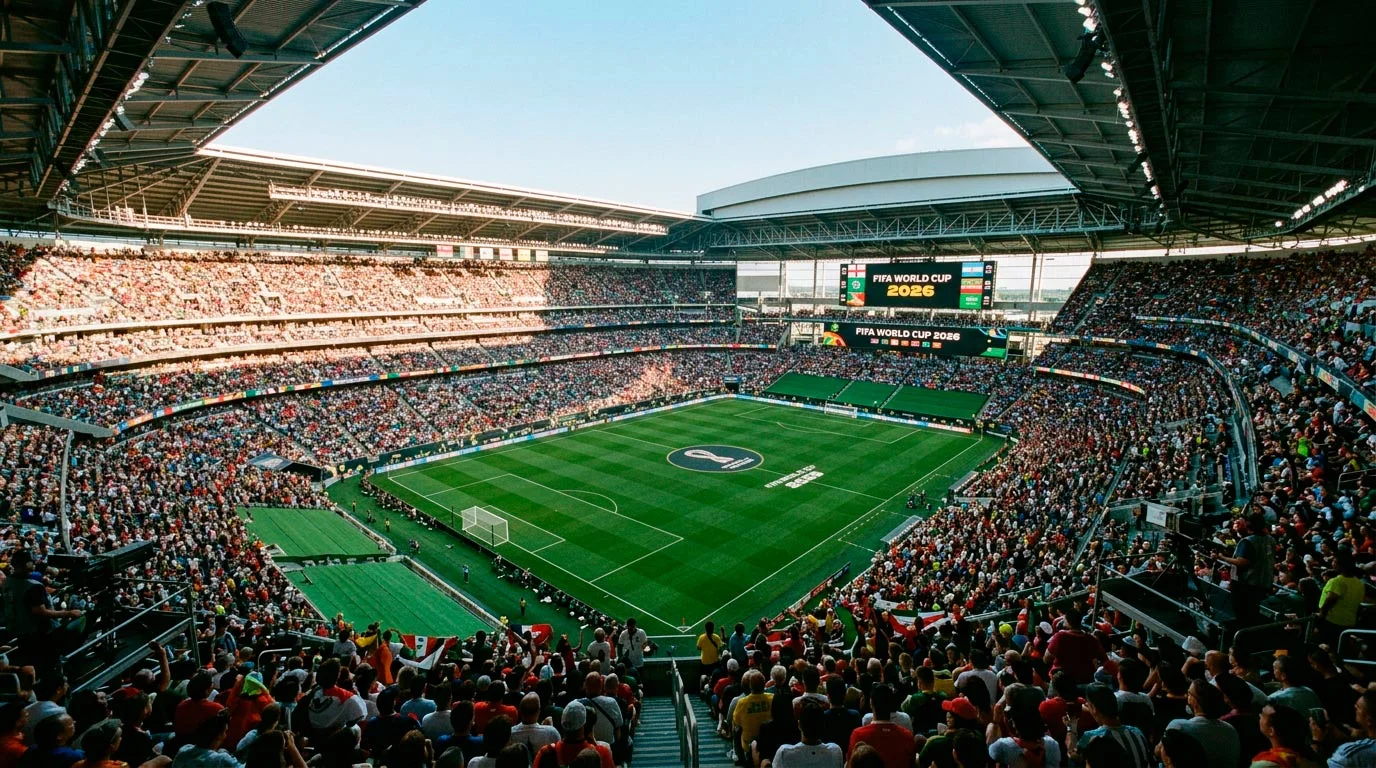
Three countries host this expanded tournament. The United States provides 11 venues, spreading matches from Seattle to Miami and Dallas to Boston. Mexico contributes three grounds including the legendary Estadio Azteca, which hosted World Cup finals in both 1970 and 1986. Canada adds two venues in Vancouver and Toronto, marking the country's first time hosting World Cup matches. The geographic spread creates a logistical challenge for teams but opens diverse opportunities for punters analysing travel impacts and climate factors.
The 104 matches across 39 days represent a significant increase from Qatar 2022's 64 matches over 29 days. Match density rises, creating scheduling concerns around player fatigue — particularly relevant for teams reaching the knockout rounds. From a betting perspective, the compressed schedule means form fluctuations happen rapidly, and pre-tournament analysis requires constant updating once group play begins.
| Stage | Teams | Matches | Dates |
|---|---|---|---|
| Group Stage | 48 | 72 | 11-28 June |
| Round of 32 | 32 | 16 | 29 June - 2 July |
| Round of 16 | 16 | 8 | 3-6 July |
| Quarter-finals | 8 | 4 | 9-10 July |
| Semi-finals | 4 | 2 | 13-14 July |
| Third Place | 2 | 1 | 18 July |
| Final | 2 | 1 | 19 July |
The 48-team expansion invited criticism that quality would dilute. Those concerns seem overstated when you examine the actual participants. Debutants include Cabo Verde, Curaçao, Jordan, and Uzbekistan — nations that emerged through competitive qualification pathways rather than automatic berths. The tournament features established powerhouses like Argentina, France, England, and Brazil alongside rising forces such as Morocco, who reached Qatar's semi-finals, and Japan, whose Europe-based core has steadily improved across recent tournaments.
For Australian punters specifically, the expanded format creates implications beyond the Socceroos' direct group. The full groups breakdown reveals that Group D's Round of 32 pathway likely involves facing Group C's second or third-placed team — potentially Scotland or Haiti rather than Brazil. That bracket positioning matters enormously when assessing Australia's chances of a deep tournament run.
Best Third-Placed Teams — The eight third-placed teams with the highest point totals (using goal difference as a tiebreaker) advance to the Round of 32. This system rewards teams who compete hard in all three group matches even when first or second place becomes unreachable.
Key dates anchor the tournament calendar. Mexico's opener against South Africa on 11 June at Estadio Azteca marks the first ball kicked, landing at 4:00am AEST on 12 June. The tournament's climax arrives on 19 July at MetLife Stadium in East Rutherford, New Jersey — the final begins at 11:00am AEST on 20 July, making it a Sunday morning viewing event for Australian audiences.
The expanded format ultimately creates more betting opportunities. Seventy-two group matches offer individual wagers on results, goals, and player props. The new Round of 32 adds 16 knockout matches that didn't exist in previous formats. And the third-place qualification wrinkle introduces entirely new market types: "Team X to finish best third in their group" or "Number of AFC nations to reach Round of 32." These markets barely existed for previous World Cups because third place almost always meant elimination. Now they represent genuine betting territory.
With the tournament structure clear, attention naturally turns to which teams the markets favour — and whether those odds represent genuine probability assessments or public money chasing familiar names.
Argentina at 4.50 tells you everything about how bookmakers view this tournament. The defending champions, despite Lionel Messi entering what could be his final World Cup at 38 years old, remain joint-favourites with France. That price implies roughly 22% probability of back-to-back titles — historically unprecedented in modern football but entirely plausible given Argentina's depth beyond their ageing talisman.
The outright market splits into clear tiers. Argentina and France occupy the summit near 4.50, with England trailing at approximately 6.00. Brazil and Spain complete the top five, both hovering around 7.00 to 8.00 depending on which licensed bookmaker you check. These five nations absorb the majority of public money, creating a compressed odds structure that may not accurately reflect their actual winning probabilities.
| Team | Approximate Odds | Implied Probability |
|---|---|---|
| Argentina | 4.50 | 22.2% |
| France | 4.50 | 22.2% |
| England | 6.00 | 16.7% |
| Brazil | 7.50 | 13.3% |
| Spain | 8.00 | 12.5% |
| Germany | 12.00 | 8.3% |
| Portugal | 15.00 | 6.7% |
| Netherlands | 17.00 | 5.9% |
| Belgium | 26.00 | 3.8% |
| USA | 26.00 | 3.8% |
The second tier reveals where value hunting begins. Germany at 12.00 appears under-priced if you believe their post-Euro 2024 rebuild has genuinely progressed. They hosted that tournament, reaching the quarter-finals before losing to Spain, and the young core of Florian Wirtz and Jamal Musiala has another two years of development since. Portugal at 15.00 asks a different question: can they compete without Cristiano Ronaldo dominating their attack? If the answer is yes, those odds offer significant upside.
Host nation advantage deserves examination. The United States sit around 26.00 — lengthy odds for a home team, yet justified by their realistic ceiling. No host nation has won a World Cup since France in 1998, but hosts have historically overperformed their pre-tournament rankings. USA currently sit around 16th in FIFA rankings, suggesting a quarter-final run represents genuine success rather than underperformance. Mexico at approximately 41.00 and Canada at 101.00 complete the co-hosting trio, with neither expected to challenge deeply despite home support across their allocated venues.
For Australian punters seeking value in outright markets, several angles warrant consideration. Morocco's run to Qatar 2022's semi-finals demonstrated that African nations can genuinely compete against European powerhouses; their current odds around 34.00 may underrate their potential. Japan's Europe-based squad continues maturing, and odds near 51.00 seem dismissive of a team that defeated both Germany and Spain in Qatar's group stage. Neither represents a likely winner, but each-way betting — where you collect returns for reaching the final — could yield value at those prices.
Outright markets heavily favour Argentina and France, but the 48-team format creates longer paths to the final where upsets can compound. Value exists in the 12.00 to 35.00 range for punters willing to back teams with genuine knockout pedigree who face favourable bracket draws.
The Socceroos' outright odds near 151.00 accurately reflect their winning probability — functionally zero. But that doesn't mean Australian money belongs exclusively on outright markets. Tournament betting extends far beyond picking the winner. Group qualification markets, top group scorer props, and correct score betting in individual matches all offer opportunities where the Socceroos' involvement creates genuine value scenarios. The outright market matters for context, helping you understand how bookmakers rank the tournament's contenders, but it shouldn't absorb your entire World Cup betting approach.
Odds will shift throughout the tournament as group results materialise. A nation that wins all three group matches convincingly will see their outright price contract; a favourite who scrapes through with two draws faces lengthening odds. The complete betting guide explains strategies for identifying value movements and timing your wagers to maximise expected returns.
The outright picture establishes hierarchy, but the Socceroos' campaign begins with specific fixtures at specific times. For Australian punters, knowing exactly when to watch — and when to place pre-match bets — matters more than theoretical tournament projections.

Nine matches. No other stadium at the 2026 World Cup comes close to that workload....

Saturday 13 June, 2pm AEST. If you remember...
No stadium in world football carries more World...

On 19 July 2026, the biggest match in...
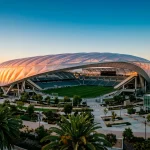
When the USA kick off their World Cup...
Saturday arvo, 2pm, dead-set prime time. That's when Australia's World Cup 2026 campaign begins — the Socceroos facing Türkiye at Vancouver's BC Place on 13 June. No ungodly alarm clocks, no bleary-eyed Sunday morning starts, just a proper afternoon viewing session whether you're at the local or hosting at home. The draw gods smiled on Australian fans with that fixture timing.
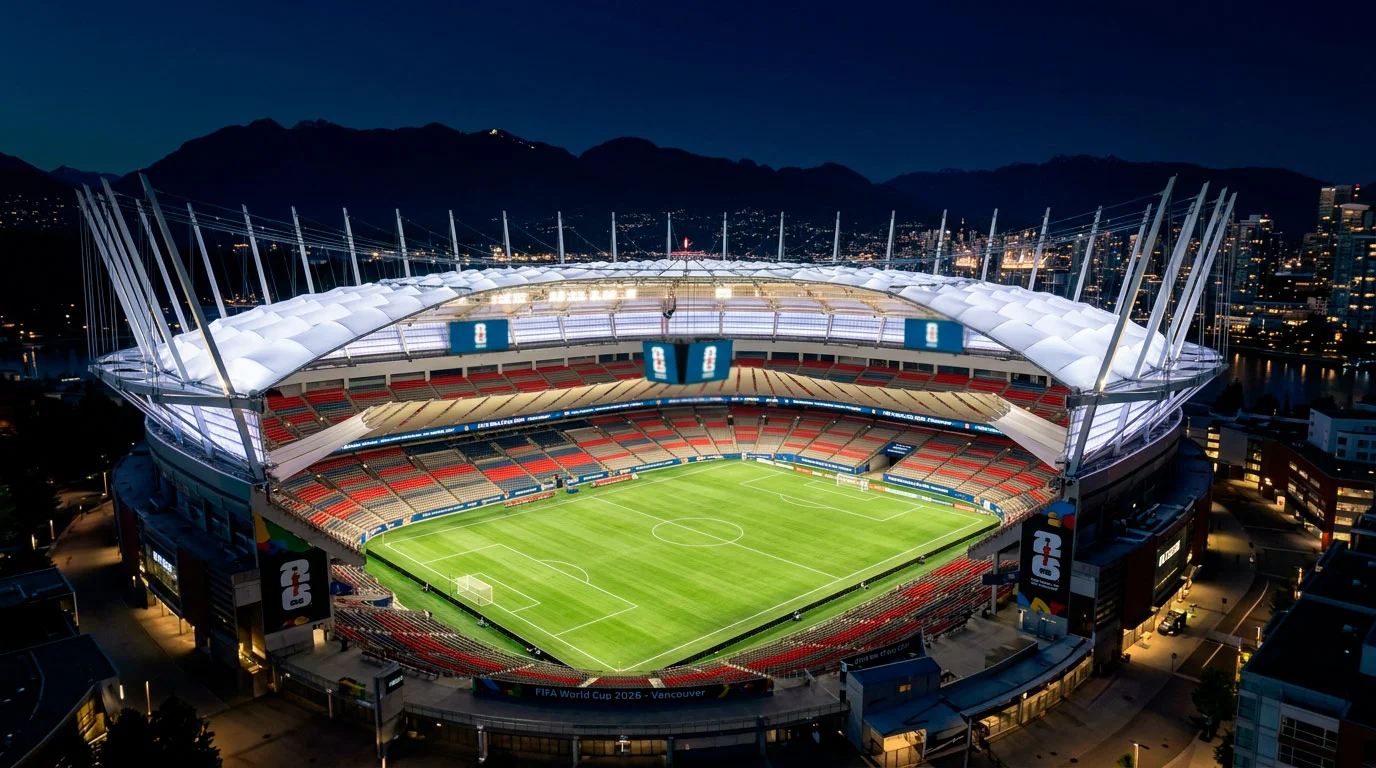
All three Socceroos matches take place at West Coast venues, which explains the relatively civilised AEST timings. Vancouver sits in the Pacific Time Zone (UTC-7 during summer), meaning local evening kickoffs translate to Australian afternoon or morning starts rather than the 3am horrors some groups face. Seattle and San Francisco follow similar patterns, keeping the Socceroos on a viewable schedule throughout the group stage.
| Match | Date (AEST) | Kickoff (AEST) | Local Time | Venue |
|---|---|---|---|---|
| Australia vs Türkiye | Saturday 13 June | 14:00 | 21:00 PDT (Fri) | BC Place, Vancouver |
| USA vs Australia | Friday 20 June | 05:00 | 12:00 PDT (Thu) | Lumen Field, Seattle |
| Paraguay vs Australia | Thursday 26 June | 12:00 | 19:00 PDT (Wed) | Levi's Stadium, Santa Clara |
The USA match requires commitment. A 5am Friday start means Thursday night becomes early bedtime rather than social occasion, unless you're dedicated enough to stay up through the night. For punters, this timing creates interesting dynamics — betting markets may be slightly less efficient because casual Australian money won't flow as freely for a pre-dawn fixture. The sharpest wagers often come from punters willing to engage with matches the broader public ignores.
Paraguay's clash at Levi's Stadium on 26 June starts at noon AEST on Thursday, reasonable enough for lunch viewing at work or a home setup. By this third match, Group D's qualification picture will be clear — the Socceroos could be playing for survival, for group position, or in a dead rubber depending on results from the first two fixtures. Plan accordingly; your betting approach for this match may differ dramatically from what you planned weeks earlier.
Levi's Stadium in Santa Clara sits just 40 minutes from San Francisco International Airport, making it one of the most accessible World Cup venues for travelling Australian supporters. Direct flights from Sydney connect through Los Angeles, putting fans in prime position for the third group match.
Beyond the Socceroos fixtures, Australian viewers face a full tournament schedule weighted toward late-night and early-morning kickoffs. Group stage matches occur primarily between midnight and 11am AEST, with only afternoon starts for West Coast venue fixtures. The knockout rounds shift slightly later, but genuine prime-time viewing remains rare throughout the tournament. The full AEST schedule covers all 104 fixtures with venue details and broadcast information.
The opening match of the tournament — Mexico versus South Africa at Estadio Azteca — kicks off at 4:00am AEST on Thursday 12 June. The final at MetLife Stadium begins at 11:00am AEST on Sunday 20 July. Between those bookends, Australian punters face six weeks of strategic alarm-setting and caffeine management. The Socceroos' schedule represents the most viewable portion for local audiences, giving genuine incentive to focus Group D betting activity where you can actually watch the matches unfold.
Knowing when to watch is half the equation. Understanding what you're legally permitted to bet on — and what restrictions apply — shapes the other half of any Australian World Cup punting strategy.
Online gambling in Australia operates under federal law — specifically the Interactive Gambling Act 2001, amended significantly in 2016 and updated with fresh advertising restrictions taking effect from January 2027. For World Cup 2026, these rules shape exactly how you can punt and what limitations apply. Ignoring them costs money in the form of restricted markets and problematic betting patterns.
The headline restriction: no in-play betting online. Once a World Cup match kicks off, you cannot place bets through any Australian-licensed bookmaker's website or app. This regulation applies universally across all sports and hasn't changed in years. The only legal pathway for live betting involves telephone wagers — calling the bookmaker directly to place your bet verbally. Some punters find this inconvenient enough to avoid in-play markets entirely; others maintain that telephone betting encourages more considered wagers than impulsive app taps.
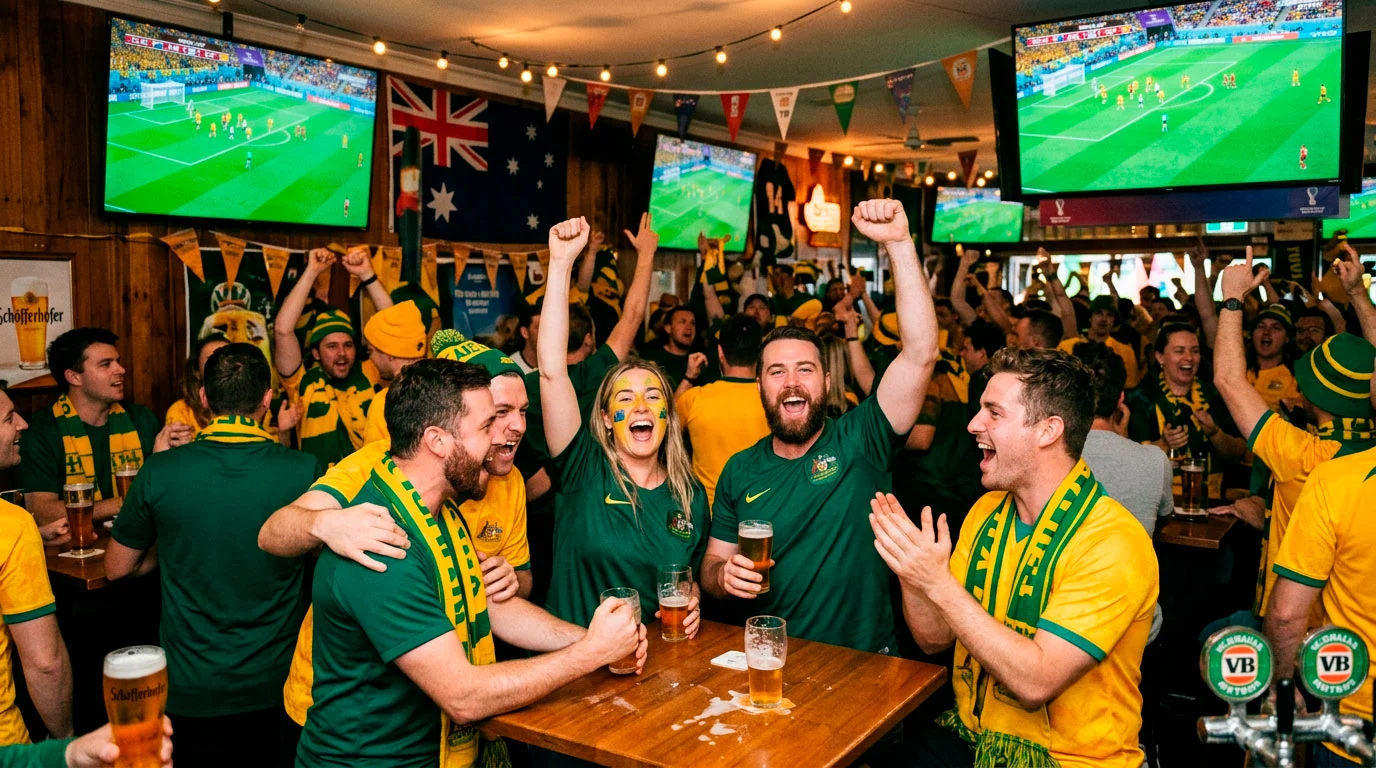
Pre-match betting remains fully legal and unrestricted across all licensed operators. You can back the Socceroos to beat Türkiye right up until kickoff, use any market type the bookmaker offers, and withdraw winnings without complications. The key phrase is "licensed operators" — only bookmakers holding Australian state or territory licences can legally accept your wagers. Offshore betting sites that accept Australian customers operate illegally, and the Australian Communications and Media Authority actively blocks such sites.
BetStop — Australia's National Self-Exclusion Register, launched in 2023, allows anyone to voluntarily exclude themselves from all licensed Australian wagering services for a minimum period of three months. Registration is free and accessible via betstop.gov.au.
Payment method restrictions tightened in 2024. Credit cards can no longer be used for online gambling deposits across any licensed Australian operator — a consumer protection measure designed to prevent debt-funded betting. Cryptocurrency deposits are similarly prohibited. Acceptable payment methods include debit cards, bank transfers, and e-wallets like PayPal or POLi. These restrictions apply to all wagers including World Cup betting; plan your bankroll funding accordingly.
The advertising landscape shifts dramatically in January 2027, but World Cup 2026 occurs beforehand. During the tournament, you'll still see gambling advertisements during live sport broadcasts, sponsorship logos on sporting venues, and promotional offers from licensed bookmakers. The pending restrictions — including a ban on gambling ads during live sport between 6am and 8:30pm, prohibition of celebrity and athlete endorsements, and limits on online advertising to logged-in users over 18 — don't take effect until after the tournament concludes. For now, expect aggressive marketing around World Cup betting from all major operators.
From a practical standpoint, Australian World Cup betting follows straightforward pathways. Outright markets let you back tournament winners, group winners, top goalscorers, and similar long-range propositions. Match markets cover head-to-head results (win/draw/win), over/under goals, both teams to score, correct scores, and various derivatives. Player prop markets allow betting on individual performances — anytime goalscorer, first goalscorer, cards received, and similar outcomes.
Multi-bets represent the most popular betting format among Australian punters. Combining multiple selections into a single wager multiplies the odds together, creating potential for significant returns from modest stakes. A three-leg multi at odds of 1.80, 2.10, and 1.65 pays 6.24 if all three win — attractive returns that explain their popularity despite the mathematical reality that each added leg decreases overall win probability.
Australian World Cup betting must occur pre-match through licensed operators, using debit cards or bank transfers. In-play online betting remains prohibited; telephone betting provides the only legal live option. Credit cards and cryptocurrency cannot fund betting accounts.
Responsible gambling tools deserve mention beyond the BetStop register. All licensed Australian bookmakers must offer deposit limits, loss limits, reality check notifications, and time-out facilities. Setting these controls before the World Cup begins protects against the tournament's intensity overwhelming sensible bankroll management. Six weeks of daily matches creates opportunities for problematic betting patterns to emerge — proactive limits prevent that escalation before it begins.
For punters seeking deeper guidance on strategic approaches within these regulatory constraints, the comprehensive betting guide explores how to build effective World Cup betting strategies that work within Australian law while maximising value extraction from available markets.
Understanding the rules establishes the framework. Applying that knowledge through specific wagers requires concrete examples — like the multi-bet approach that opens genuine value angles for this tournament.
Australians build multis like other nations build sandcastles — with enthusiasm, optimism, and an understanding that collapse remains statistically likely. Yet the appeal endures because when a multi lands, the payout dwarfs what individual bets would return. For World Cup 2026's opening week, here's a three-leg multi that balances sensible probability with genuine return potential.
Opening Week Multi — Matchday 1 Anchors
Leg 1: Mexico to beat South Africa (Opening Match) — Odds: 1.70
Leg 2: Argentina to beat Jordan — Odds: 1.22
Leg 3: France Over 2.5 Goals vs Iraq — Odds: 1.85
Combined Odds: 1.70 × 1.22 × 1.85 = 3.84
A$25 stake returns: A$96.00 (profit A$71.00)
Each leg serves a specific purpose. Mexico's opener at Estadio Azteca carries home crowd advantage at 2,200 metres altitude — conditions that historically favour the home team. South Africa qualified impressively through Africa but face an atmospheric challenge unlike anything they've encountered. The 1.70 odds reflect bookmaker caution about opening match unpredictability, but Mexico's motivation and venue advantage make this the multi's anchor.
Argentina against Jordan represents the banker leg. At 1.22, the defending champions offer thin value individually but add probability security to the multi. Jordan's World Cup debut deserves respect, yet Argentina's squad depth and tournament experience create a mismatch that should resolve comfortably. This leg keeps the multi grounded while contributing meaningful odds multiplication.
France over 2.5 goals against Iraq provides the value injection. Les Bleus possess the attacking firepower to score heavily against a defensively-oriented opponent, and Kylian Mbappé's first World Cup match since his Qatar hat-trick carries narrative pressure to perform. The 1.85 odds suggest bookmakers expect a tighter match than France's quality warrants — exactly the kind of discrepancy that creates multi value.
The combined 3.84 odds mean a A$25 stake returns A$96 if all three legs win. That's not life-changing money, but it represents nearly quadrupling your stake from selections that each carry better than 50% implied probability. The mathematical reality: even with three "likely" outcomes, this multi wins roughly 39% of the time based on the odds-implied probabilities. Building multis requires accepting that most will lose while the winners compensate through higher returns.
For detailed strategies on constructing effective World Cup multis — including leg selection, risk management, and when to cash out early — the multi-bet tips guide provides comprehensive analysis. That resource covers everything from optimal leg counts through to specific market types that combine well within tournament betting.
Effective multi construction balances probability with value. Banker legs at short odds secure the foundation; value legs at longer odds generate meaningful combined returns. Three to four legs typically offer the best risk-reward balance for World Cup betting.
This featured multi updates weekly throughout the tournament lead-up and daily once group matches begin. Each iteration explains the reasoning behind leg selection, allowing you to adapt the methodology for your own multi-building rather than simply copying picks. The goal isn't just winning wagers — it's developing the analytical framework to identify value independently.

Last time an Aussie punter backed Argentina outright before a World Cup, Lionel Messi was...
Twenty-four years. That is how long Brazil have...

I have a mate in Melbourne who backs...

There is a stat that has haunted French...

In June 2024, Germany opened Euro 2024 on...
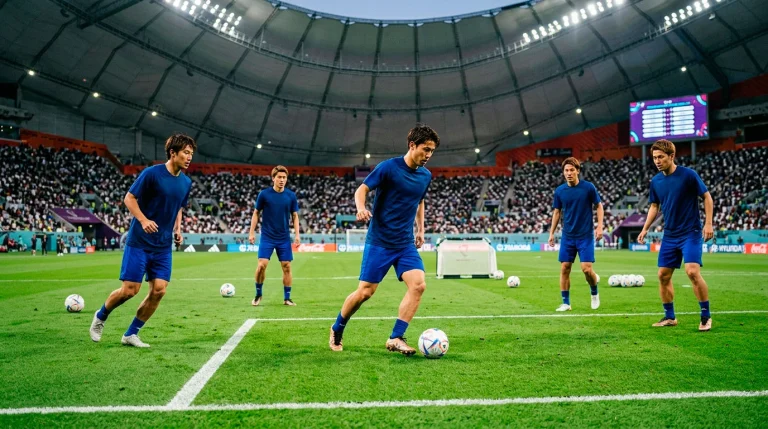
The team that always seems to knock the Socceroos around in qualifiers is heading to...

At approximately 5:00 pm local time on 11...

Ronald Koeman stood on the touchline in Dortmund...

Every group has a team that the pundits...
For twenty years, every Portugal preview at every...
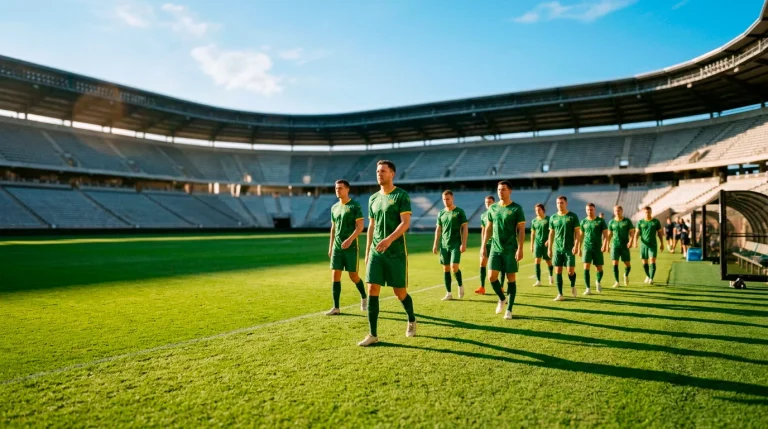
The phone alarm goes off at 4:45 am on a Friday in June. You roll...
Six World Cups. One Round of 16. And...

Lamine Yamal turned 17 during Euro 2024 and...

13 June. 2:00 pm Saturday arvo AEST. BC...

They are hosting the thing, but can they...
This hub scratches the surface of what PuntCast 26 covers. Beyond these overview sections, the site contains detailed analysis for every betting angle an Australian punter might pursue during the World Cup. Here's how the content breaks down.
The complete betting guide serves as your comprehensive resource for tournament wagering. It covers every market type available through licensed Australian bookmakers, explains decimal odds calculations, and provides strategic frameworks for approaching a 39-day tournament without burning through your bankroll. Whether you're placing your first World Cup wager or your fiftieth, that guide contains actionable information.
Team-specific content spans all 48 nations, with emphasis weighted toward Socceroos opponents and realistic contenders. The Group D breakdown analyses Australia's three group matches in detail, covering tactical matchups, historical head-to-head records, and specific betting markets where value exists. Each Group D rival — USA, Paraguay, and Türkiye — receives individual coverage examining their squads, recent form, and likely approaches against Australia.
Outright and proposition markets get dedicated analysis. The Golden Boot race, dark horse contenders, and group winner predictions all receive standalone treatment with odds comparisons across major Australian bookmakers. These pages update as markets shift, ensuring the analysis reflects current pricing rather than stale numbers from months prior.
Utility content supports your betting activity throughout the tournament. The full AEST schedule lists every match with Australian viewing times. The betting glossary defines terminology from "accumulator" to "value bet" in plain language. The FAQ section answers common questions about Australian gambling regulations, tournament format, and Socceroos-specific queries. And throughout the tournament, daily matchday previews provide selections for that day's fixtures.
The architecture here follows a simple logic: hub pages provide overviews, pillar pages deliver comprehensive guides, and cluster content tackles specific topics in depth. Navigate based on what you need — quick answers stay on hub pages; detailed analysis requires clicking through to specialist content. Everything connects through internal links that keep you moving toward the information you're actually seeking.
Content publishes on a regular schedule as the tournament approaches. Pre-tournament analysis covers teams, groups, and betting preparation. Once matches begin, daily previews and post-match analysis track how the tournament unfolds. Bookmark this hub as your starting point; it links outward to everything else and updates with fresh featured content throughout the World Cup.
Yes, online World Cup betting is fully legal through licensed Australian bookmakers for pre-match wagers. The Interactive Gambling Act 2001 permits Australian-licensed operators to accept sports bets from Australian residents. The restriction applies to in-play betting — once a match kicks off, you cannot place online bets until the match concludes. In-play wagers must be placed via telephone. Only use operators licensed by Australian state or territory gambling authorities; offshore sites operating without Australian licences are illegal and blocked by regulators.
World Cup 2026 features 48 teams — an expansion from the previous 32-team format. The group stage divides teams into 12 groups of four, with each team playing three matches. The top two teams from each group advance automatically (24 teams), joined by the eight best third-placed teams. This creates a Round of 32 as the first knockout stage, followed by Round of 16, quarter-finals, semi-finals, and the final. The tournament runs 39 days with 104 total matches across 16 venues in the United States, Mexico, and Canada.
Australia's three group matches fall at relatively viewer-friendly AEST times. The opener against Türkiye starts at 2:00pm AEST on Saturday 13 June. The USA match kicks off at 5:00am AEST on Friday 20 June — requiring an early alarm but avoiding the overnight slots. The final group match against Paraguay begins at 12:00pm AEST on Thursday 26 June. All three fixtures occur at West Coast North American venues, which translates to afternoon or early morning starts rather than middle-of-the-night kickoffs.
No, in-play online betting remains prohibited under Australian law. Once a World Cup match begins, you cannot place wagers through any licensed bookmaker's website or mobile app until the match ends. The only legal option for live betting involves telephone wagers — calling the bookmaker directly to place your bet verbally. This restriction has applied since 2001 and shows no indication of changing. Pre-match betting closes at kickoff, so ensure all planned wagers are placed before matches start.
Bookmaker odds currently price Australia's Group D qualification around 2.20, implying approximately 45% probability. That assessment reflects a realistic path: finishing second behind the United States (heavy favourites as hosts) or securing one of the eight best third-place spots. The expanded format favours qualification — 32 of 48 teams (66.7%) reach the knockout rounds compared to 50% in previous tournaments. Australia's recent World Cup record includes knockout appearances in 2022, and Tony Popovich's squad demonstrated clinical finishing during AFC qualifying. Realistic expectations target Round of 32 qualification rather than deep tournament runs.
Decimal odds represent total returns including your stake. Multiply your stake by the decimal odds to calculate total returns; subtract the stake to find profit. For example, a A$20 bet at odds of 2.50 returns A$50 (A$20 × 2.50), yielding A$30 profit. Decimal odds above 2.00 indicate you'll at least double your money if you win. Odds of 1.50 mean you win half your stake as profit. Converting implied probability: divide 100 by the decimal odds. Odds of 4.00 imply 25% winning probability (100 ÷ 4.00 = 25). All Australian licensed bookmakers display odds in decimal format by default.
A multi-bet (also called an accumulator or parlay) combines multiple selections into a single wager. All selections must win for the bet to pay out. Odds multiply together — three legs at 1.80, 2.00, and 1.50 create combined odds of 5.40. Multi-bets offer higher potential returns than singles but carry increased risk since one losing leg collapses the entire wager. For World Cup betting, effective multi construction typically uses three to four legs, mixing short-odds banker selections with one or two value picks. Most Australian bookmakers offer multi-building tools that automatically calculate combined odds as you add selections.